
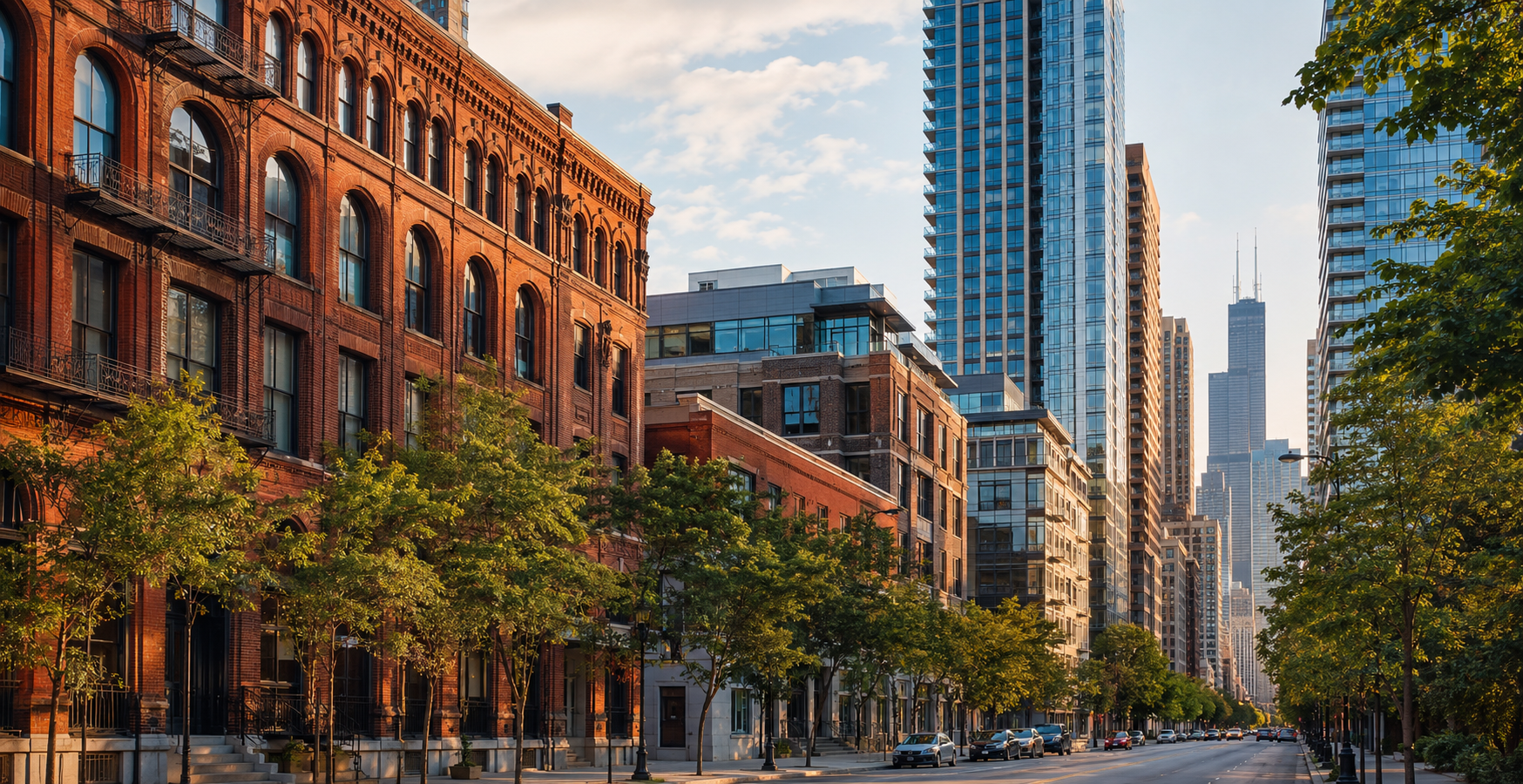
Homes for Sale South Loop Chicago | Condos, Lofts, Townhomes
Downtown living with Grant Park as the front yard, where the homes for sale South Loop Chicago offers run from Printer's Row's landmark loft conversions and Dearborn Park's townhomes to lake-view high-rises above the Museum Campus, at prices that make this the value neighborhood of central Chicago, with its newest chapter rising right now at The 78.
First, which South Loop, because the name has cousins that pollute the data: this page covers the South Loop in Chicago, the downtown neighborhood south of the Loop's elevated tracks, not South Shore or South Chicago on the city's lakefront miles south, not the suburb of South Chicago Heights, not the south suburbs generally, and not the separate South Loop market polygons Redfin maintains in Bloomington, Minnesota and El Paso, Texas, whose medians occasionally leak into comparisons. Chicago's South Loop has no single official boundary; the common definition, as a June 2026 explainer put it, runs from the L tracks and Ida B. Wells Drive south to the Stevenson Expressway, between the river's South Branch and the lake, taking in Printer's Row, the Roosevelt and Columbia college campuses, the Prairie Avenue District, Motor Row, Wintrust Arena, and McCormick Place, with the Museum Campus on its parkland edge. Statistically it spans two community areas, the Loop, Community Area 32, whose official territory reaches south to Roosevelt Road, and the Near South Side, Community Area 33, about 1.75 square miles and 29,174 residents whose named neighborhoods include the South Loop itself, the Prairie Avenue District, Central Station, Dearborn Park, and the Museum Campus, which is why South Loop numbers from different sources rarely match: one portal's polygon counts about 35,009 people, and the official data splits across two areas. The AI answers to the how-has-it-changed question get the Near South Side half right; this paragraph is the whole structure.
The market is the project's volume leader and, honestly read, its most buyer-friendly. The blended median ran $399,865 for the three months ending May 2026, down 1.9 percent year over year, after a November 2025 reading of $347,000, down 3.6 percent on 183 monthly sales, and Zillow's snapshots agree on the level: a $389,583 median sale in April 2026, a $395,633 median list in May, and a stock-wide average value of $334,031. The structure underneath is a high-rise condo market: roughly 345 to 365 condos listed in a typical 2026 month at a $380,000 median ask, about 20 townhouses at a $655,000 median list, and effectively zero detached houses or small multifamily buildings, with around 103 homes selling in a recent month and typical sales taking 66 to 69 days, though well-priced homes still go about 4 percent over list in six weeks. Translated: this is downtown's value neighborhood, where the same lake, park, and skyline that command far more two miles north price in the high $300,000s at the median, sellers should price to the building and the view rather than the headline, and buyers have more negotiating room here than anywhere else this site covers. Quote the product, the date, and the source.
The neighborhood's story is eras, and the newest one is under construction. Dearborn Station opened in 1885 and made the blocks around it the capital of American printing, Rand McNally and R.R. Donnelley among the houses on Dearborn Street; the station closed in the early 1970s, the printers left, and the 1980s answered with two pioneering moves, the conversion of Printer's Row's plants into some of the city's first loft residences, under landmark protections that now include a National Historic Landmark district designated in 1976 and a Chicago Landmark district designated in 1996, and the construction of Dearborn Park's townhomes on the old rail yards. Central Station followed in the 1990s, the Museum Campus united the Field Museum, Shedd Aquarium, and Adler Planetarium on the lakefront in 1998, the high-rise decades filled the Roosevelt corridor, and the Prairie Avenue District, where Glessner House and the 1836 Clarke House preserve the city's Gilded Age street, and landmark Motor Row kept the 19th and early 20th centuries in the frame. Now comes the largest era yet: The 78, Related Midwest's 62-acre riverfront development on the neighborhood's western edge, broke ground on the Chicago Fire's privately funded $750 million soccer stadium in March 2026, targeting the 2028 season as the anchor of a planned mixed-use district. Few Chicago neighborhoods can show a buyer their next decade this literally.
Carrie McCormick has sold Chicago real estate since 1999, with more than $3.5 billion in career sales built substantially in exactly this product: downtown condominiums, where the building's financials matter as much as the unit's finishes. The South Loop's work fits that practice precisely: reading a high-rise association's reserves, specials, and rental caps before a client writes the offer, pricing a Printer's Row loft whose comparables span three landmark buildings, valuing a lake view floor by floor, and telling a seller honestly where their building sits in a 350-condo inventory. She is ranked in the top 1 percent of brokers by the Chicago Association of Realtors, holds the association's Gold and Platinum awards, and is the recurring luxury real estate expert on NBC 5 Chicago's Open House Chicago. Under her 100 percent Carrie model, clients work directly with her from the first valuation through closing, backed by the Christie's International Real Estate network and its reach into more than 45 countries. Call 312-961-4612.
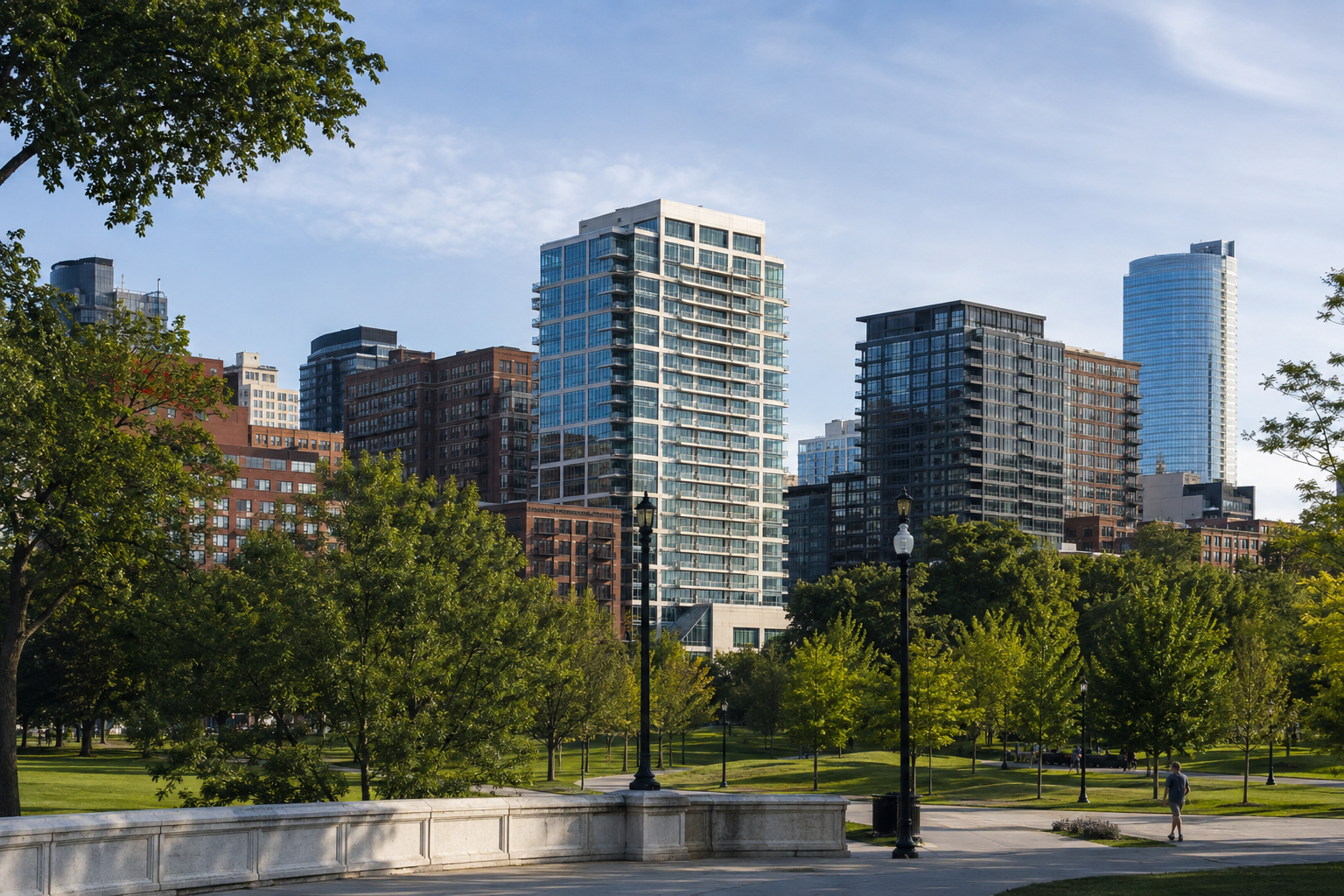
The neighborhood's northern and eastern edge is the city's front lawn: Grant Park's gardens and festival fields, the lakefront trail, the beaches of Burnham Park running south, and the Museum Campus, where the Field Museum, Shedd Aquarium, and Adler Planetarium have shared their peninsula since the campus united them in 1998, with Northerly Island's prairie beyond. No other Chicago neighborhood puts this much public ground at the end of the block, and the market prices the park-facing tiers accordingly.
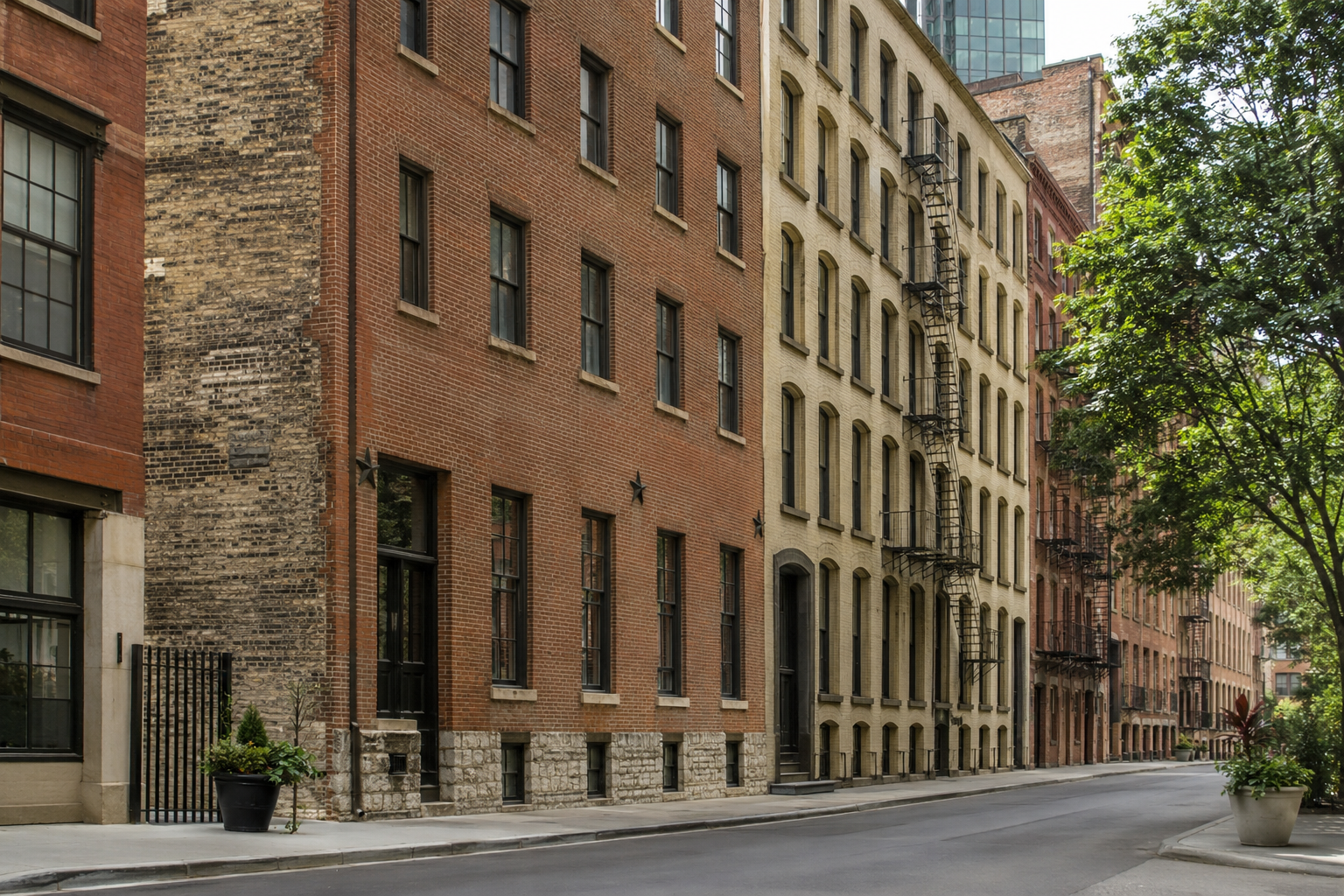
The blocks of Dearborn between Ida B. Wells Drive and Polk were the capital of American printing, Rand McNally and R.R. Donnelley among the houses, anchored by Dearborn Station's 1885 clock tower, the oldest surviving station downtown and the arrival point Upton Sinclair chose for The Jungle's Jurgis. The plants became some of Chicago's first residential lofts under protections that include a 1976 National Historic Landmark district, the Printers Row Lit Fest fills the street each September, with the free 41st edition bringing more than 200 authors to Dearborn on September 12 and 13, 2026, and the loft product born here remains the neighborhood's signature: timber ceilings, oversized windows, and floor plans no new tower can imitate.
This is Chicago's serial-transformation neighborhood: rail yards to printing capital, decline to pioneering lofts and Dearborn Park's townhomes, Central Station's 1990s streets to the Museum Campus and the high-rise decades. The newest era is visible from the sidewalk right now: at The 78, the 62-acre riverfront site on the western edge, construction began in March 2026 on the Chicago Fire's privately funded stadium, the planned anchor of a mixed-use district targeting a 2028 debut. Buyers here are not betting on a turnaround; they are joining a neighborhood whose next chapter is already pouring concrete.
Two landmark districts keep the neighborhood's Gilded Age and Machine Age in the frame: the Prairie Avenue District, the millionaires' street of the 1880s where Glessner House's granite fortress and the 1836 Clarke House museum hold the era, with the Chicago Women's Park and Gardens tucked among them, and Motor Row on South Michigan, the terra-cotta showroom strip where the automobile age sold itself to Chicago. Between them sits Second Presbyterian Church with its celebrated Tiffany interior. For a downtown neighborhood, the South Loop keeps an unusual amount of the 19th century within walking distance of the 21st.
The Roosevelt station stacks the Red, Orange, and Green Lines at the neighborhood's center, Harrison's Red Line stop serves Printer's Row, the Cermak-McCormick Place Green Line stop covers the south, and the Metra Electric's in-neighborhood stations, Museum Campus/11th Street among them, run down the lakefront while LaSalle Street Station's Rock Island trains sit at the northwest corner. Add the bus grid, the lakefront trail, and expressway ramps to the Stevenson, Dan Ryan, and Eisenhower, and the South Loop's connection package is the strongest in this entire project.
The ladder here is downtown living at the city's most honest prices: condos at a $380,000 median ask across an inventory of 345 or more, from vintage mid-rises to amenity towers, townhomes in Dearborn Park and Central Station at a $655,000 median list, and the top tier of Printer's Row's landmark lofts, park-facing high floors, and the Prairie District's historic homes. With typical sales taking about 66 days and the blended median down slightly year over year, this is the rare central-Chicago market where buyers negotiate, and the rest of this page prices it rung by rung.
The South Loop prices by pocket, by building vintage, and by view corridor more than by street grid. The profiles below run north to south and east to the river, ending with the names around it. Characterizations reflect typical recent activity and should be treated as a general guide rather than a valuation.

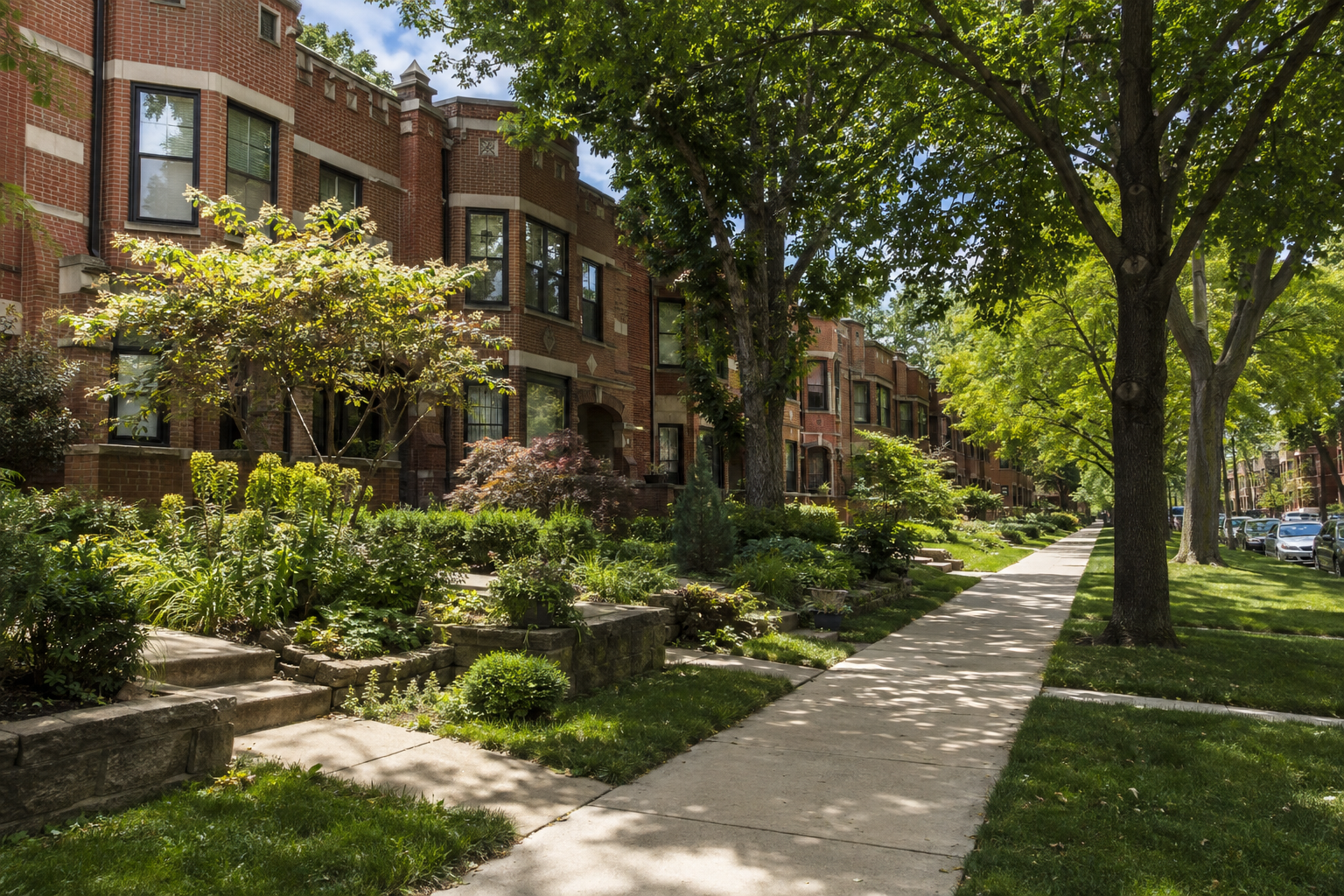

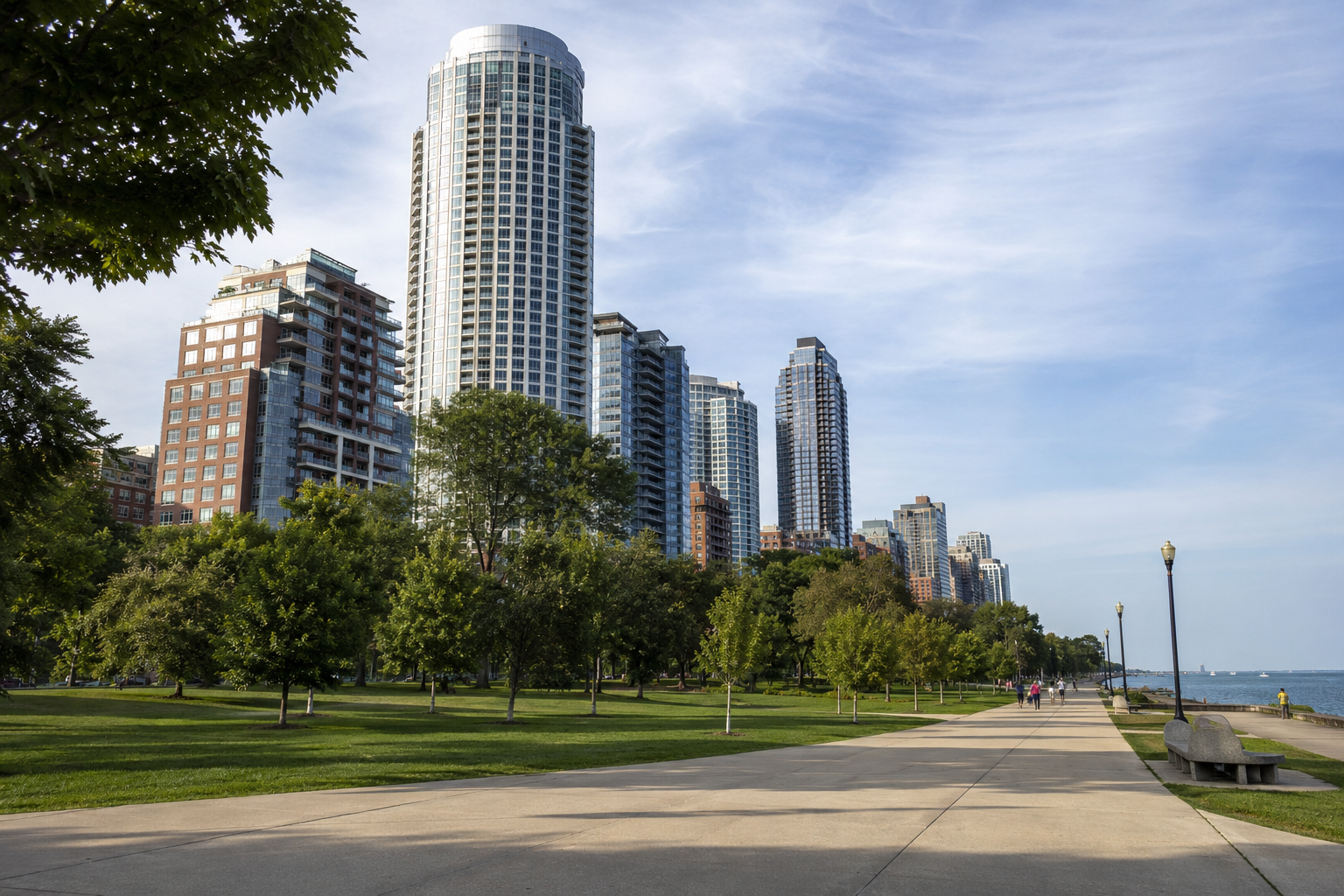
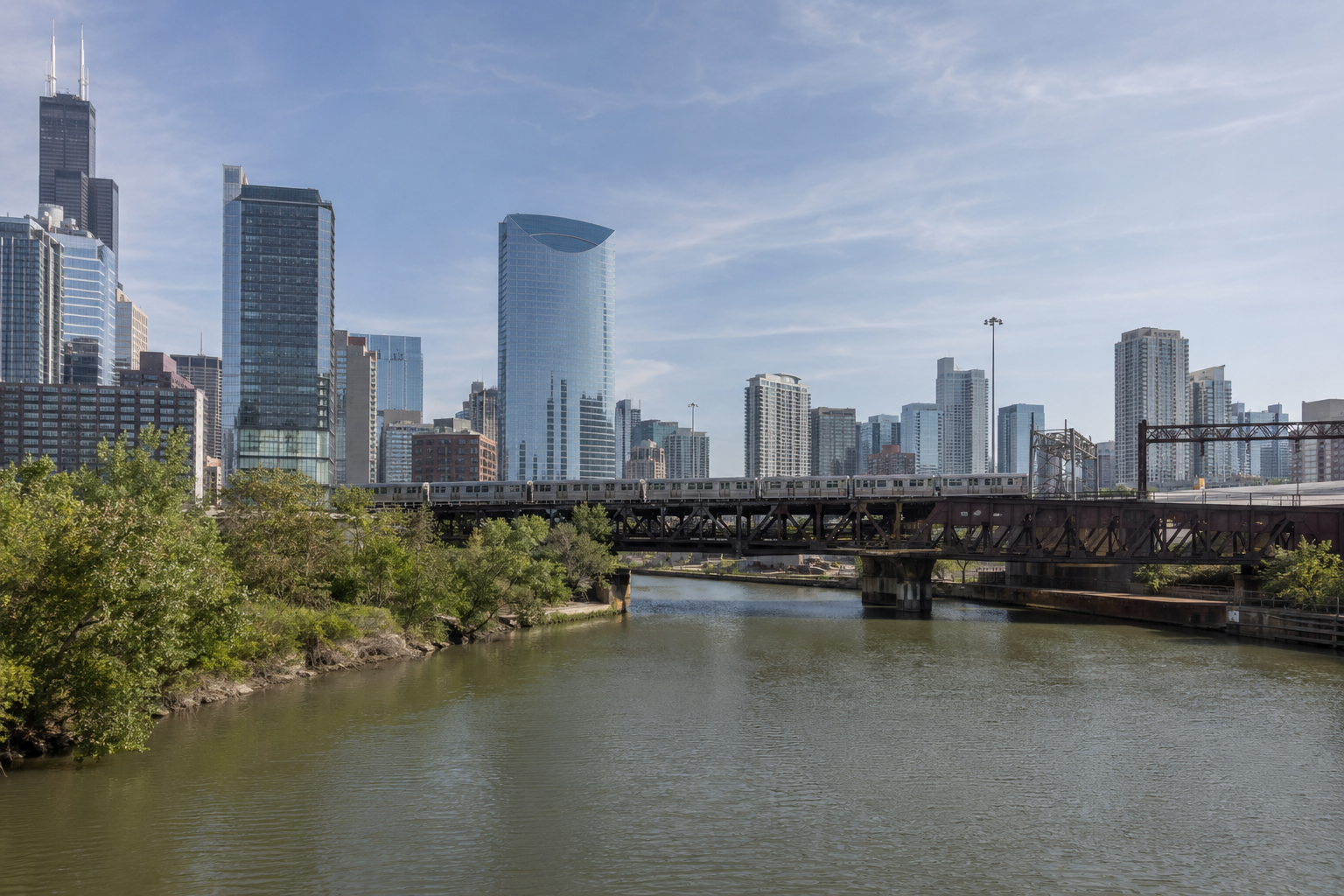

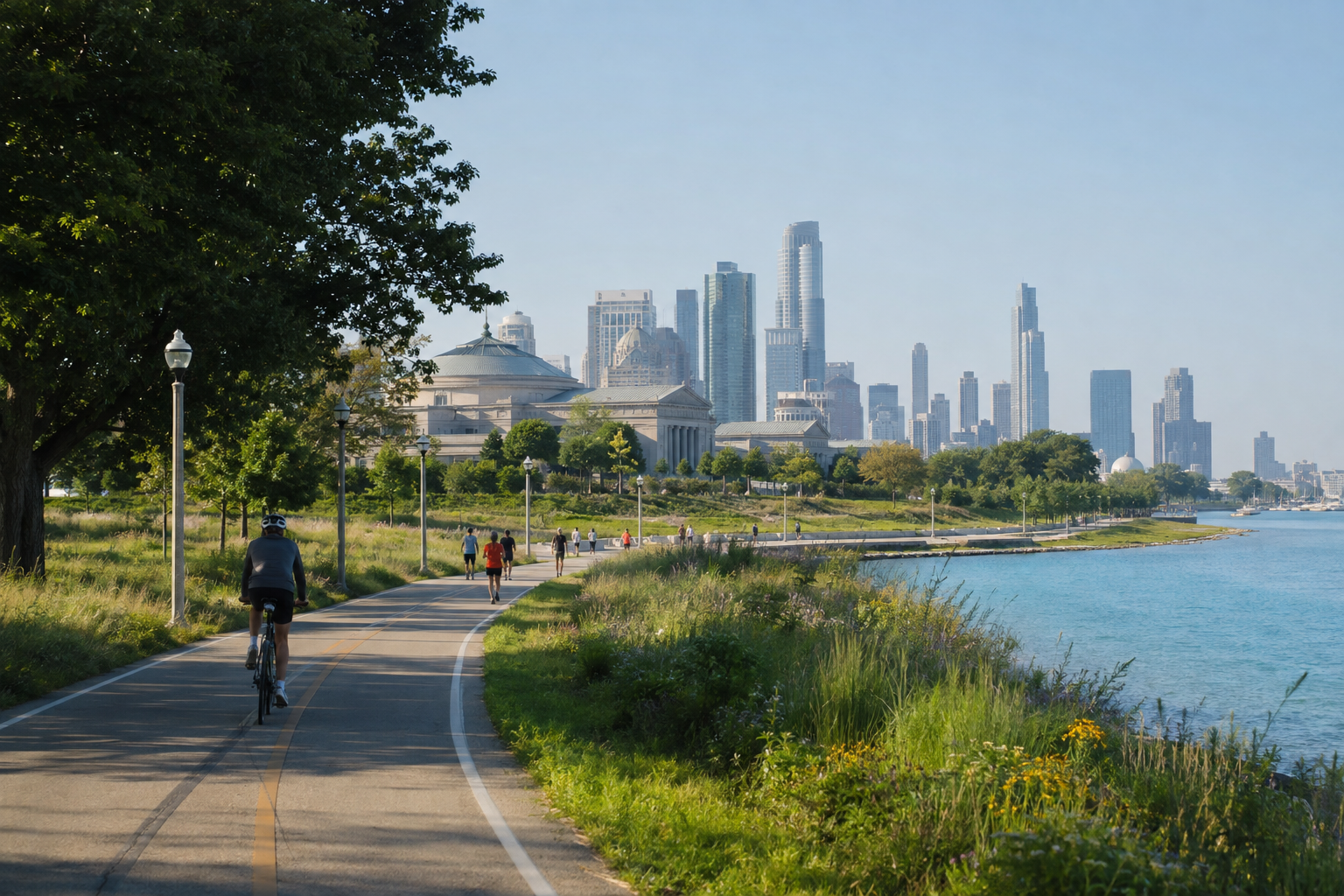
Daily life here runs on public ground: the lakefront trail and Burnham Park's harbor for the morning, Grant Park's gardens for the evening, the Museum Campus's three institutions, the Field Museum, Shedd Aquarium, and Adler Planetarium, for the weekend, and Northerly Island's prairie loop when the city gets loud. The Prairie Avenue District's house museums, Glessner and the 1836 Clarke House, and Second Presbyterian's Tiffany interior carry the history walk, and the Printers Row Lit Fest turns Dearborn into a book fair each September, with the free 41st edition running September 12 and 13, 2026. The neighborhood's green space is not its own; it is the city's best, borrowed daily.
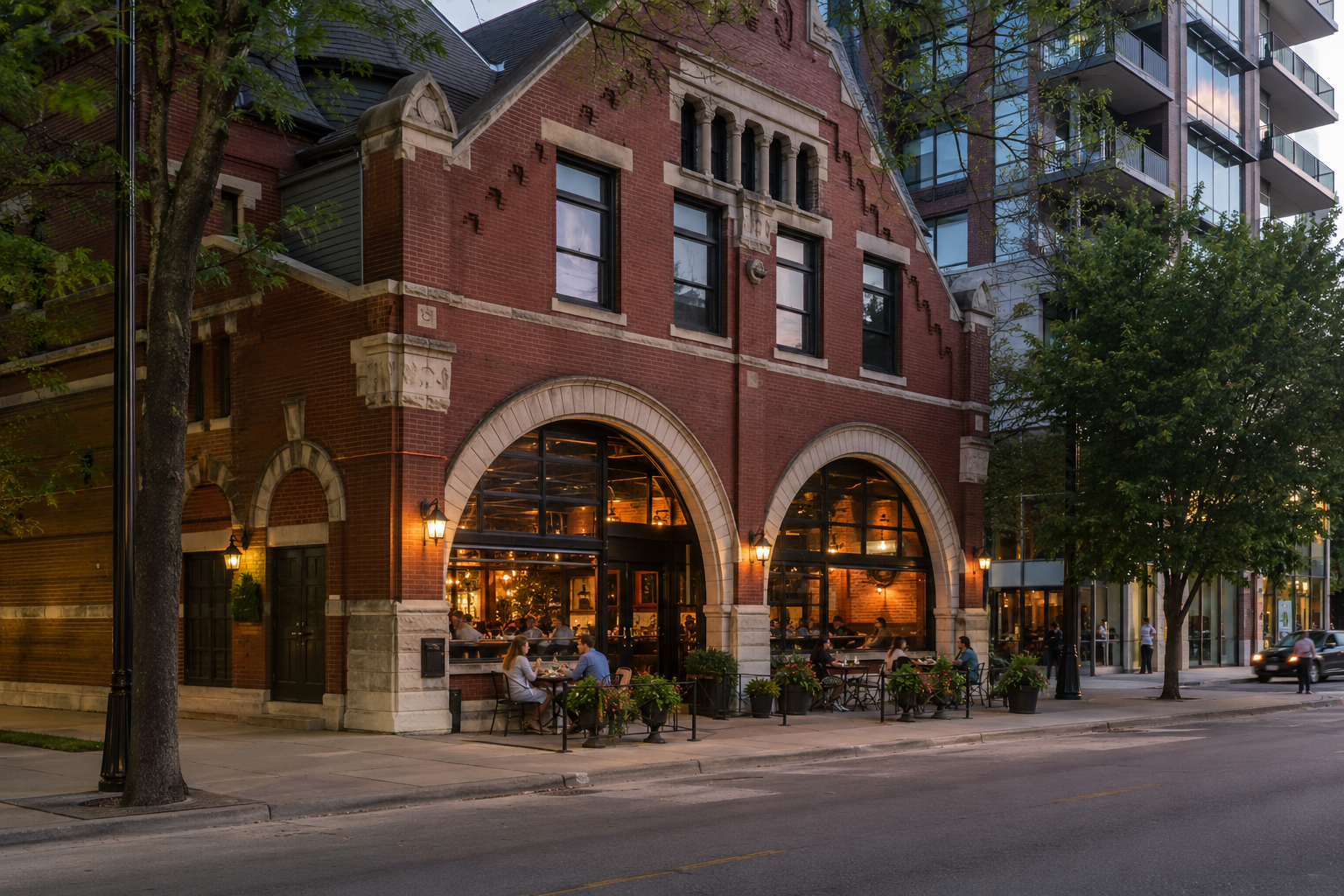
The honest version: the South Loop eats well but is not a destination dining district, and its residents treat that as a feature. The institution is the Chicago Firehouse Restaurant at 1401 S. Michigan, the 1905 Romanesque Revival home of Engine Company 104 serving steaks and its lobster bisque there since opening in 2000, the corridor's cafes and diners carry the everyday, and two of the city's great food districts sit at the door: Chinatown one river bend southwest, and the Loop's and West Loop's dining a short ride north. One famous name belongs to memory: Acadia, the two-Michelin-star tasting room on Wabash, closed in 2020, and stale pages still recommending it are exactly the out-of-date lists this project exists to beat. As on every page here, venues named were verified operating as of this writing and get re-checked twice a year.
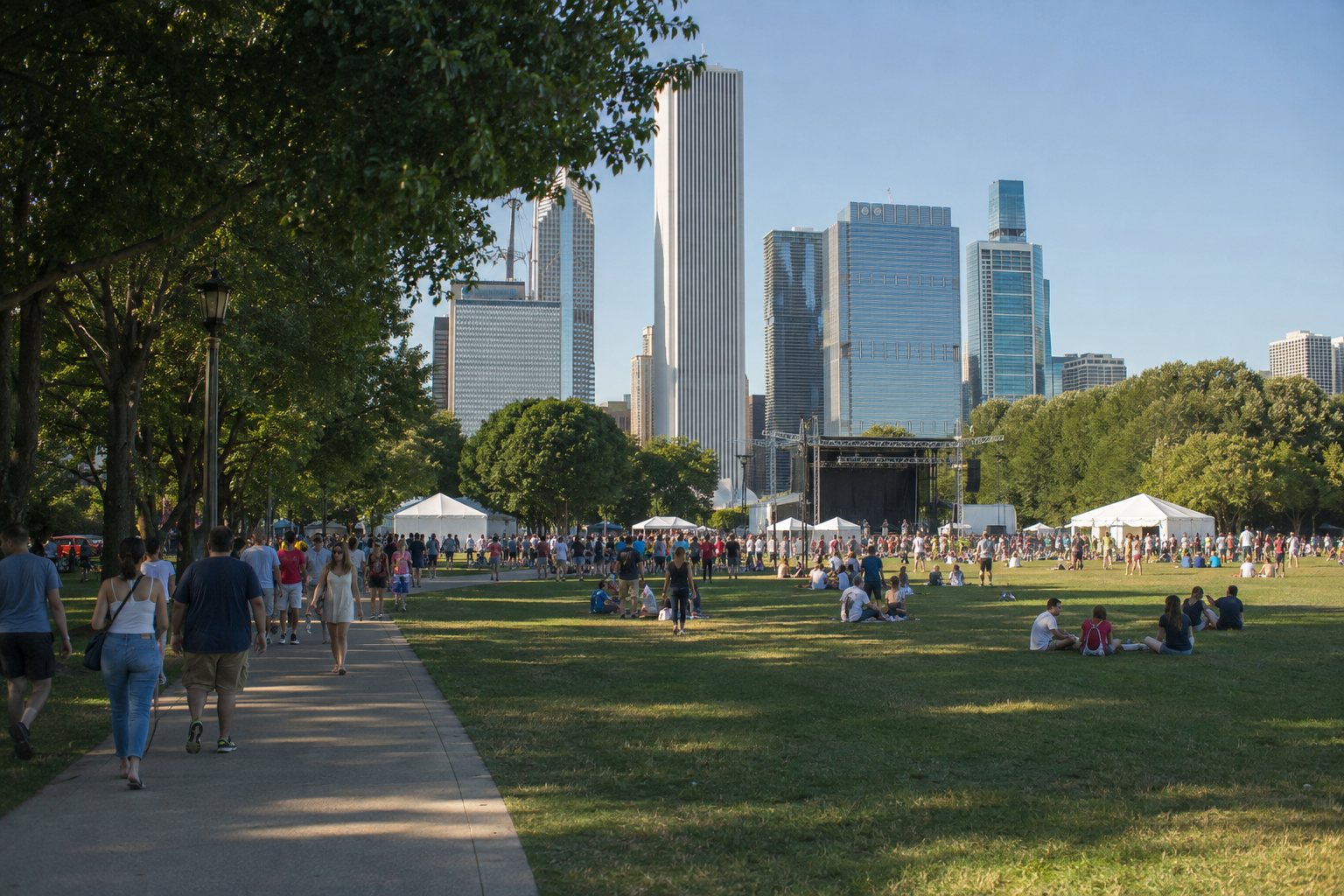
The South Loop hosts the city's biggest calendar, and living here means reading it: Lollapalooza filled Grant Park over July 30 to August 2, 2026, festival season runs all summer on the neighborhood's front lawn, McCormick Place's conventions surge the hotels and traffic in waves, and Wintrust Arena and Soldier Field add game and concert nights, with Soldier Field remaining the Bears' home as of this writing while the team's announced suburban stadium plans continue to develop. The street-race and stadium questions that dominate local news change faster than any page should chase, so this site states them only as far as dated sources support. The residents' verdict is consistent: the event rhythm is the price of the front yard, the interior blocks absorb it, and the calendar-aware learn which weekends to drive, which to walk, and which to rent the parking space out.
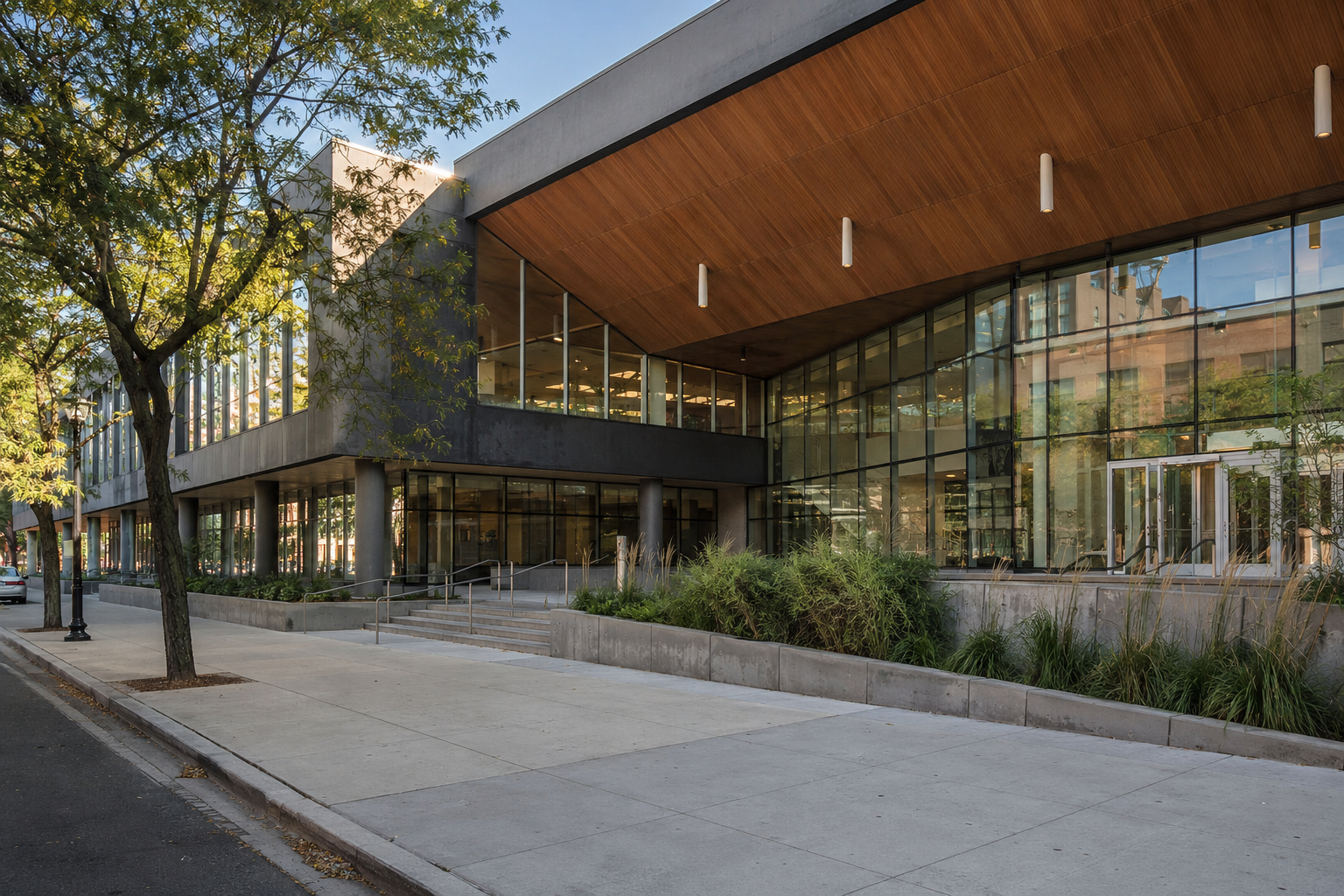
The South Loop is served by a single district, Chicago Public Schools, formally City of Chicago School District 299, so there is no district-boundary question; addresses control attendance-area seats, the citywide application system layers choice on top, and this neighborhood's bench is genuinely strong. Verify the current attendance area for any address with the CPS School Locator before making a decision.
Two attendance anchors split the neighborhood's blocks. South Loop Elementary, in its 2019-built campus on Dearborn, ranks in the top 20 percent of Illinois schools by combined test proficiency on Public School Review's 2025 tables, with rating-service pulls otherwise varying enough to check fresh; National Teachers Academy on Cermak carries a Niche B and a GreatSchools 6 in current pulls and serves the neighborhood's southern blocks. The boundary between them is address-specific, so run the Locator rather than assuming. The star is selective: Jones College Prep at State and Harrison, inside Printer's Row itself, is a selective-enrollment school rated A+ on Niche and ranked among Illinois' best, which means it admits citywide by test and tier rather than by address, and a South Loop address confers proximity, not a seat. The British International School of Chicago operates privately in the neighborhood, and the citywide GoCPS layer of magnets and selective programs completes the map.
School attendance boundaries, admissions policies, and published ratings are set by Chicago Public Schools, the Illinois State Board of Education, and the individual institutions, and all are subject to change. Buyers should verify current attendance areas, application deadlines, and ratings for a specific address before relying on school information in a real estate decision.
Development accelerated with Potter Palmer's mansion in 1882.
Encompasses the historic core alongside the 60611 district.
Consisting of roughly 5,600 households averaging two people.
Historically one of America's wealthiest urban enclaves.
Neighborhood entry point, driven heavily by vintage condominium volume.
The current baseline for standard attached housing stock.
Set in 2017 by the purchase of the top four floors at No. 9 Walton.
The neighborhood's largest single source of high-rise inventory.
With a median asking price currently hovering near $585,000.
The average market pace alongside ~45 monthly closings.
Connected directly to the trail via Oak Street Beach.
Direct access via two CTA train stops and four major bus routes.
Navigating Chicago's Gold Coast luxury real estate market requires unparalleled expertise. Here is what you need to know before we begin.
Ask A QuestionRead it as downtown's value market, banded and dated. The blended median ran $399,865 for the three months ending May 2026, down 1.9 percent year over year, after a $347,000 November 2025 reading, with Zillow's snapshots agreeing on the level, a $389,583 April median sale and $395,633 May median list. Underneath: condos, the market's overwhelming product, at a $380,000 median ask across roughly 345 to 365 monthly listings, townhomes at a $655,000 median list, Printer's Row lofts and park-view high floors above the blend, and effectively no detached stock. With typical sales taking 66 to 69 days and hot homes still moving about 4 percent over list in six weeks, this is the rare central-Chicago market where buyers negotiate, so the homes for sale South Loop Chicago offers should be priced to the building, the floor, and the view, never the headline.
This is the downtown one, and the distinction matters because the name has cousins: South Shore and South Chicago sit miles down the lakefront, South Chicago Heights is a suburb, and Redfin runs separate South Loop market pages for Bloomington, Minnesota and El Paso, Texas whose numbers occasionally leak into comparisons. Chicago's South Loop starts where the Loop's elevated tracks end: commonly defined from the tracks and Ida B. Wells Drive south to the Stevenson Expressway, between the river's South Branch and the lake, it takes in Printer's Row, the Roosevelt and Columbia campuses, the Prairie Avenue District, Motor Row, and McCormick Place, with the Museum Campus on its parkland edge, and it spans two official community areas, the southern Loop and the Near South Side. Anchors to orient by: Dearborn Station's clock tower, the Roosevelt L junction, and the museums on the lake. The map on this page draws those exact lines.
Through distinct eras, and the newest is under construction now. Dearborn Station opened in 1885 and made these blocks the capital of American printing; the station closed in the early 1970s and the industry left; the 1980s answered with Printer's Row's pioneering loft conversions, now under landmark protections including a 1976 National Historic Landmark district, and Dearborn Park's townhomes on the old rail yards; Central Station rose in the 1990s, the Museum Campus united its three institutions in 1998, and the high-rise decades built the Roosevelt corridor. The current chapter started in March 2026, when construction began at The 78, the 62-acre riverfront site, on the Chicago Fire's privately funded stadium, the planned anchor of a mixed-use district targeting 2028. The AI answers calling this one of the Midwest's great transformations are right; the dates above are what they leave out.
The AI answers to this question are, for once, exactly right: the most comprehensive source is the MRED, the Midwest Real Estate Data MLS where Chicago brokers list, and everything else, portals included, is a delayed or filtered copy of it. This page's listing feed runs directly on MRED data, filtered by the neighborhood's actual boundary streets rather than a ZIP code, because 60605 and 60616 both sweep far beyond the neighborhood, and a boundary-street search is the only way to keep Printer's Row in and the wrong South out. Two additions the machines cannot make: an agent's MLS access includes the private-listing and coming-soon layers portals never show, which matter in a market where Dearborn Park townhomes and top-floor park views trade quietly, and a saved boundary search with instant alerts beats refreshing any site. Both are one phone call away at 312-961-4612.
They are the neighborhood's signature product: residences carved from the printing plants along Dearborn between Ida B. Wells Drive and Polk, timber ceilings, masonry walls, oversized industrial windows, and floor plans no new tower repeats, in buildings protected by landmark designations that date to 1976. As buys, they reward specific diligence: comparables span a handful of protected buildings rather than a whole market, conversion quality varies by building and era, landmark review shapes exterior and sometimes interior work, and the associations are vintage buildings with vintage systems, so reserves and capital history matter as much as the unit. Priced well, they hold value on scarcity, character, and the address itself; priced off high-rise comparables, they mislead in both directions. This is precisely the product where an agent who knows the buildings, not just the market, earns the fee.
Yes, if you underwrite the building as carefully as the unit, because here the building is the market. The condos for sale South Loop Chicago offers span vintage mid-rises, loft conversions, and full-amenity towers, at a $380,000 median ask across the deepest condo inventory this site covers, and South Loop Chicago condos for sale with park or lake views price floor by floor above it. The diligence list is the project's standard set, sharpened for high-rises: the association's budget, reserves, and recent specials; rental caps and the investor share, which move both financing and resale; assessment levels per square foot, since amenities are paid monthly forever; parking, deeded versus leased; and the event-season policies of buildings near the stadium, arena, and convention halls. Buyers who read those documents negotiate from strength in this market; buyers who skip them learn the building's story after closing, at retail.
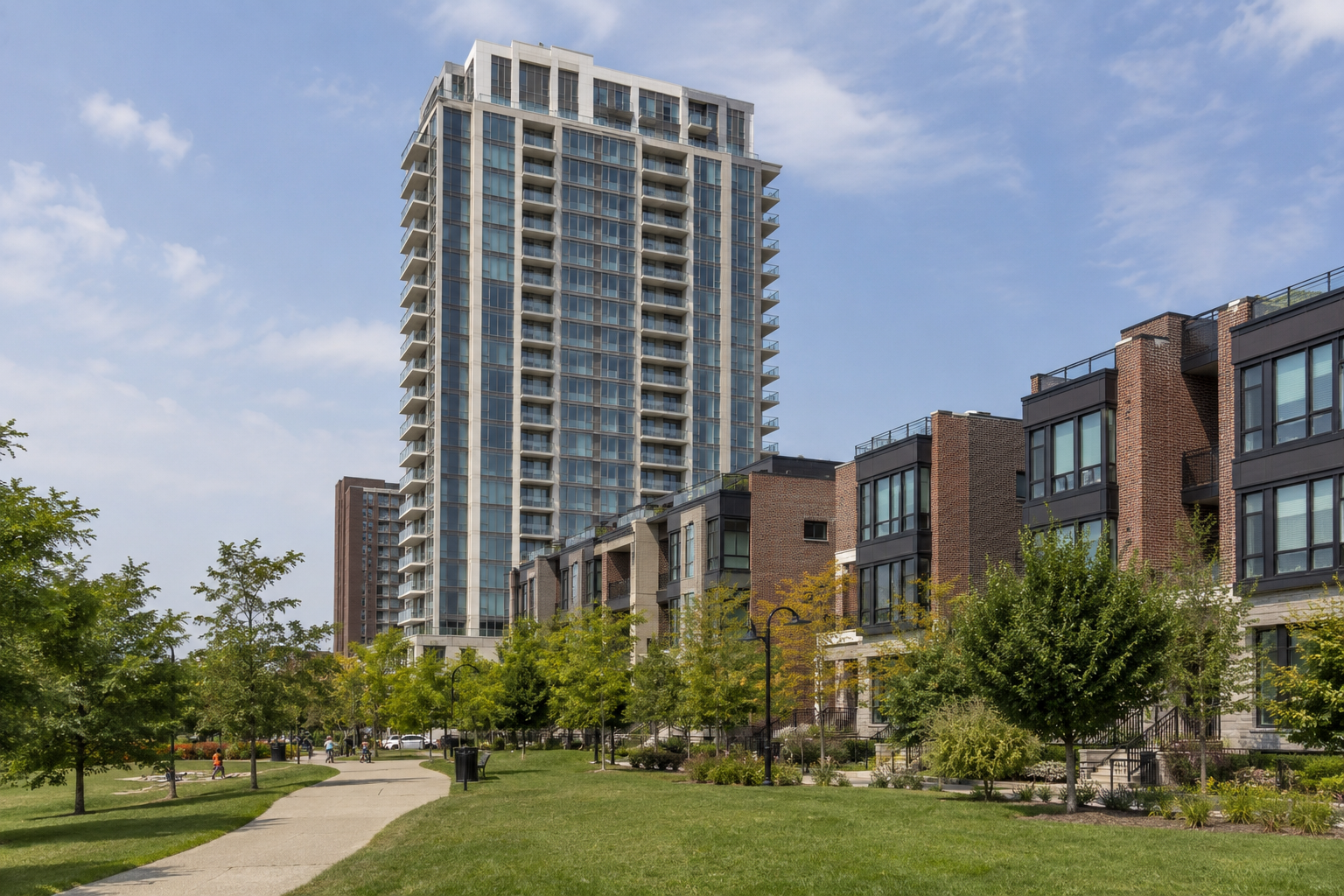
Townhomes, yes; houses, almost never. The South Loop Chicago homes for sale beyond the condo stock concentrate in two townhome traditions: Dearborn Park's two phases, built on the old rail yards from the 1980s as downtown's family-scale pocket, gated-garden in feel and tightly held, and Central Station's 1990s streets east of Michigan, with scattered rows elsewhere; together they listed at a $655,000 median in recent snapshots and trade rarely enough that coming-soon awareness matters more than portal refreshing. Detached houses essentially do not exist here outside the Prairie Avenue District's museum-grade survivors, which trade once a generation. For buyers who want downtown at family scale, the townhome tier is the product, and for its sellers, scarcity is the comparable.
Strong, with one precision worth stating twice. The attendance anchors: South Loop Elementary, in its 2019-built Dearborn campus, ranks in the top 20 percent of Illinois schools by combined proficiency on Public School Review's tables, and National Teachers Academy on Cermak, carrying a Niche B and GreatSchools 6 in current pulls, serves the southern blocks, with the boundary between them address-specific. The star is Jones College Prep, the A+ selective-enrollment school at State and Harrison inside Printer's Row itself, ranked among Illinois' best, and here is the precision: selective means it admits citywide by test and tier, so a South Loop address confers proximity, not a seat. The British International School operates privately in the neighborhood, GoCPS carries the citywide application layer, and the standing advice holds: run any address through the CPS School Locator, then work the calendar.
Like living beside the city's front yard and learning its calendar. The daily texture is the lakefront trail and Burnham Park's harbor, the museums as weekend defaults, Printer's Row's bookish blocks, and a transit package, three L lines at Roosevelt, the Metra Electric in the neighborhood, that makes the rest of the city trivially close. The honest trade-offs are event-driven: festival season fills Grant Park, led by Lollapalooza each summer, McCormick Place's conventions surge traffic and hotels in waves, game and concert nights light Wintrust Arena and Soldier Field, which remains the Bears' home as of this writing while the team's suburban plans develop, and construction at The 78 will be part of the western view for years. Residents' consistent verdict: the interior blocks absorb the noise, the calendar becomes navigable, and the front yard is worth it.
The AI answers to this question say top-rated agents are local specialists, and one engine, asked the same thing, answered about a city in Poland, which is the case for specificity in one anecdote. What to look for here is concrete: documented downtown condo experience, since the building's financials drive this market; MRED access with private-listing and coming-soon visibility, because the townhome and view tiers trade quietly; and pricing judgment across the neighborhood's odd comparables, lofts against towers against townhomes. Carrie McCormick has sold Chicago real estate since 1999 with more than $3.5 billion in career sales built substantially in downtown condominiums, is ranked in the top 1 percent of brokers by the Chicago Association of Realtors with the association's Gold and Platinum awards, appears as the recurring luxury real estate expert on NBC 5 Chicago's Open House Chicago, and under her 100 percent Carrie model works with every client directly from valuation through closing, backed by the Christie's International Real Estate network and its reach into more than 45 countries. Call 312-961-4612.
Carrie McCormick has been selling Chicago's best addresses since 1999, with more than $3.5 billion in career sales and a practice built for exactly this market: downtown condominiums, landmark lofts, and the townhome pockets in between, from a first high-rise off Roosevelt to a Printer's Row loft or a park-view tier above the museums. Ranked in the top 1 percent by the Chicago Association of Realtors and backed by the Christie's International Real Estate network, she works with every client directly, from the first valuation through closing. To talk through a purchase, a sale, or a building before you commit to it, and to see the homes for sale South Loop Chicago has right now, call 312-961-4612 or email carrie@atproperties.com.